UNFAMILIAR How to Avoid the Intruder
Sightline breaks, hide timing, flashbang windows, and silence — because he can hear you.
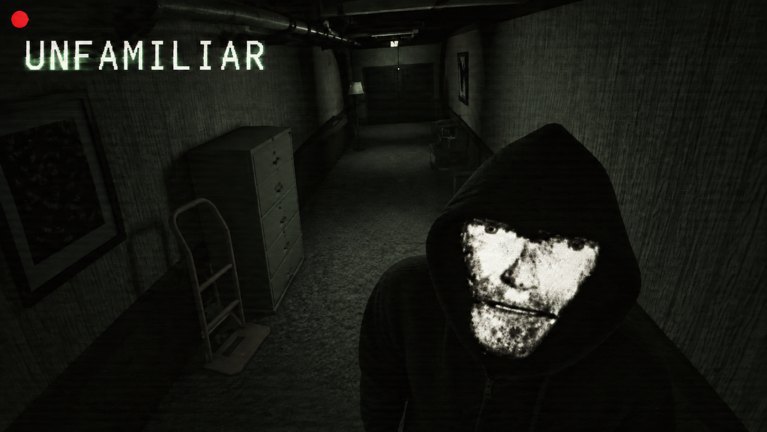
The Intruder is the reason UNFAMILIAR feels unfair until you learn his pressure. He is not a boss you out-DPS. He is a hunter who punishes open hallways, stacked generators, and voice chat that never stops. This guide focuses on avoidance craft inside the house maze: how to move, when to hide, when to flashbang, and how to recover a chase without spending every life. Cross-link with Voice Chat Stealth and How to Escape while you practice.
How the Intruder pressures you
Official framing is clear: someone else is inside, doors are locked, and every sound can give you away. Voice chat is recommended because the Intruder can hear you. That means your avoidance plan has two layers — visual and audio. Breaking line of sight is useless if you keep screaming after you duck around a corner. Likewise, perfect mute habits still fail if you stand in the open finishing a generator while he walks the same corridor.
Think in windows. You get short windows to move, short windows to work objectives, and short windows to reset after a scare. Players who treat the maze like a continuous sprint get Lights Out badges on repeat.
Movement rules that reduce sightings
- Prefer walking over sprinting when you do not know the next corner.
- Stop and listen before entering long sightlines.
- Cut corners wide enough to react, but do not hug the center of open rooms.
- Change elevation or turn sequences when chased instead of running a straight remembered path.
- Leave generator sites immediately after a burst finishes — lingering is how sightings start.
Landmarks matter more than speed. If you can describe where you died using furniture, stairs, or window light, you can avoid that same trap next life. Getting Started covers day-one orientation; this page assumes you already know you should start on Easy.
Hide timing
Hiding is not camping forever. Hide to break information: his pathing, your breathing, your party’s panic. Good hide timing looks like this:
- You lose line of sight.
- You enter a spot that breaks his angle.
- You stay quiet — mute included.
- You leave only when audio suggests the hunt moved on.
- You do not re-enter the same hallway he just cleared unless you must.
Bad hide timing is diving into a spot while still talking, then leaving early because fear makes you impatient. On Nightmare and Calamity, impatience costs lives you cannot spare.
Flashbang windows
Flashbangs buy a break, not a win. Use them when:
- The Intruder already sees you and you need a path change.
- A teammate is trapped leaving a generator and needs cover.
- You must cross a known sightline to reach the exit rally.
After the flash:
- Move with a plan already chosen.
- Mute if you were about to shout.
- Do not throw a second flashbang unless the first failed to create space.
Empty inventory on Easy teaches nothing for Calamity. Track who in the party still holds a flashbang the same way you track generator progress — see Generators for objective noise management that pairs with these chase rules.
Audio discipline during chases
If you are being chased, your mic is a liability. Friends asking “where are you?” at full volume can re-attract attention even after you hid. Agree on codes before the run: short words for direction, and silence as the default. Full mute strategy lives on Voice Chat Stealth, but the Intruder-specific rule is simple — fear sounds still count.
Party responses when someone is hunted
- Do not all run to the victim. That creates a group wipe.
- One player may prepare a flashbang angle if the path is known.
- Others should continue safe objectives or hold position muted.
- After the chase ends, rally with landmarks, not long stories.
Party escape goals from How to Escape fail when every scare becomes a full-team pile-in. Check players for role ideas and the tier list when you decide which difficulties demand stricter chase rules.
Difficulty notes
Easy: Practice breaking sightlines without flashbangs first. Learn which corners actually reset hunts.
Normal: Expect less free time after a sighting. Hide sooner, talk less.
Nightmare / Calamity: Assume one bad chase can end the rank attempt. Pre-plan flashbang ownership and forbid open-mic panic.
Recovery checklist after a sighting
- Break line of sight immediately.
- Mute.
- Hide or cut to a new landmark path.
- Spend a flashbang only if still locked.
- Wait for audio to cool.
- Rejoin objectives from a different approach.
- Tell the party one short status line, then go quiet again.
Mistakes that feed the Intruder
- Narrating every footstep to your friends.
- Standing up from a hide the moment music feels tense.
- Returning to the same generator the Intruder just contested.
- Using flashbangs with no escape vector afterward.
- Ignoring updates after behavior tweaks.
- Looking for cheat scripts instead of learning silence.
Redeem codes before long practice sessions, then spend a night on Easy specifically drilling chase recovery. Avoidance is a skill you can rehearse. The Intruder rewards parties that treat sound like damage and sightlines like traps — and he punishes everyone else.
Frequently Asked Questions
Quick answers about codes, escape routes, and Intruder stealth.
What is the best way to break a chase?
Lose line of sight, mute immediately, hide or cut to a new path, and use a flashbang only if he still has you locked with no other out.
Should the whole party help a hunted teammate?
Usually no. One player may prepare a flashbang angle while others stay muted on safe objectives so you do not convert one chase into a wipe.
Do flashbangs replace hiding?
No. Flashbangs create a short window. You still need a planned path and silence afterward or the Intruder reacquires you.
Why do I get found while hiding?
Common causes are open mics, leaving early, or hiding along the same route he already patrols. Reset with a different landmark path.
Which guides pair with Intruder avoidance?
Voice Chat Stealth for mute habits, Generators for objective noise control, How to Escape for exit timing, and Controls for reliable mute binds.